


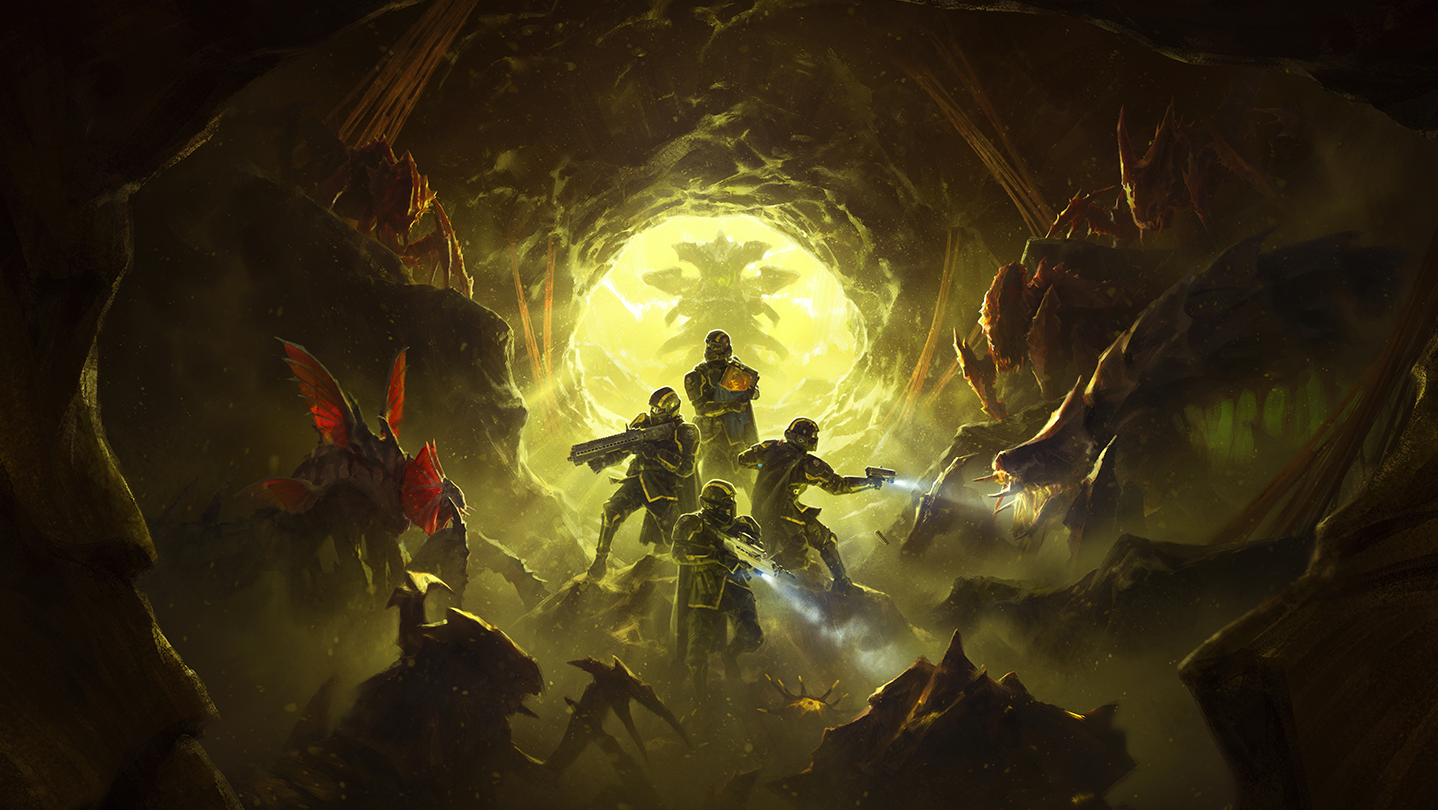


Agen jitutoto menampung pembelian nomor lotre togel secara eceran, namun pemain tetap berkesempatan menang besar dengan hadiah utama senilai 10 juta di JITUTOTO X 777 SLOT.
| Interface | Full Audio | Subtitles | |
|---|---|---|---|
| English | ✔ | ✔ | ✔ |
| French | ✔ | ✔ | ✔ |
| Italian | ✔ | ✔ | ✔ |
| German | ✔ | ✔ | ✔ |
| Spanish - Spain | ✔ | ✔ | ✔ |


Best Ongoing Game Winner - The Game Awards 2024

Best Multi-Player Winner - The Game Awards 2024

Action Game of the Year
Online Game of the Year
Outstanding Achievement in Original Music Composition
Outstanding Achievement in Audio Design
 Game of the Year 2024 (Professional)
Game of the Year 2024
Best Visual Design 2024
Best Technical Innovation 2024

Best Game Design: Helldivers 2 - Arrowhead Game Studios | Sony Interactive Entertainment
 #5 Most Wanted Game by PC Gamer
Julukan jitutoto Bandar Togel -> Prize Terbesar
Keyword :
jitutoto Togel
Hadiah Togel
Togel Online
Togel 10 Juta
Nomor Togel 4D
jitutoto resmi
jitutoto link
jitutoto login
jitutoto alternatif
Nilai tukar rupiah kembali mengalami tekanan pada perdagangan Selasa (16/6/2026). Berdasarkan pergerakan pasar valuta asing, mata uang Indonesia ditutup melemah sekitar 16 poin atau 0,09 persen dan berada di level Rp17.725 per dolar Amerika Serikat (AS).
Pengamat pasar keuangan dan komoditas, Ibrahim Assuaibi, menjelaskan bahwa pelemahan rupiah dipengaruhi meningkatnya ketidakpastian global, terutama setelah pemerintah Amerika Serikat mengisyaratkan penerapan tarif impor tambahan terhadap sejumlah produk asal Indonesia. Kebijakan tersebut diperkirakan dapat memengaruhi daya saing ekspor nasional, khususnya sektor manufaktur yang selama ini menjadi salah satu tulang punggung perdagangan Indonesia dengan Negeri Paman Sam.
Rencana penerapan tarif tambahan yang mengacu pada Pasal 301 Trade Act 1974 dijadwalkan berlangsung secara bertahap mulai 24 Juli 2026. Sebelumnya, Kantor Perwakilan Dagang Amerika Serikat (USTR) juga telah memberlakukan kebijakan forced labor tariff sebesar 10 persen terhadap Indonesia bersama beberapa negara lainnya.
Pemerintah Indonesia memperkirakan beban tarif terhadap produk nasional berpotensi meningkat hingga mencapai 18 persen apabila proses investigasi terkait dugaan kapasitas produksi berlebih selesai dilakukan. Kondisi tersebut menimbulkan kekhawatiran terhadap sektor industri dalam negeri, mulai dari penurunan utilisasi pabrik, perlambatan investasi, hingga berkurangnya penyerapan tenaga kerja.
Meski demikian, pasar global turut memperoleh sentimen positif setelah munculnya kesepakatan awal antara Amerika Serikat dan Iran terkait upaya penghentian konflik serta pembukaan kembali jalur perdagangan melalui Selat Hormuz. Kabar tersebut mendorong penurunan harga minyak dunia dan memberikan ruang bagi investor untuk kembali mengambil risiko di berbagai instrumen investasi.
Di sisi lain, perhatian pelaku pasar juga tertuju pada kebijakan sejumlah bank sentral dunia. Bank Sentral Jepang menaikkan suku bunga acuannya menjadi 1 persen, sementara Bank Cadangan Australia memilih mempertahankan tingkat suku bunga yang berlaku. Investor kini menunggu keputusan Federal Reserve dan Bank of England yang diperkirakan akan memberikan arah baru terhadap pergerakan pasar keuangan internasional.
Menariknya, di tengah dinamika ekonomi global dan fluktuasi nilai tukar, aktivitas digital masyarakat tetap menunjukkan pertumbuhan yang signifikan. Berbagai platform hiburan daring, termasuk layanan streaming, e-sports, hingga permainan berbasis angka seperti toto4d, slot online, slot gacor, maupun live bet, tercatat masih menjadi topik yang ramai diperbincangkan di berbagai komunitas internet.
Fenomena tersebut menunjukkan bahwa perkembangan teknologi digital terus berjalan beriringan dengan perubahan kondisi ekonomi. Banyak pelaku industri digital memanfaatkan momentum ini untuk menghadirkan inovasi layanan yang lebih interaktif, cepat, dan mudah diakses oleh masyarakat modern.
Para analis menilai bahwa stabilitas ekonomi tetap menjadi faktor utama dalam menjaga daya beli masyarakat serta mendorong pertumbuhan sektor digital nasional. Oleh sebab itu, pemerintah dan otoritas moneter diharapkan terus menjaga keseimbangan kebijakan guna menghadapi tantangan global yang semakin kompleks.
Ke depan, arah pergerakan rupiah masih akan sangat dipengaruhi oleh perkembangan kebijakan perdagangan Amerika Serikat, kondisi geopolitik internasional, serta keputusan suku bunga bank sentral utama dunia. Pelaku pasar dan masyarakat diimbau untuk terus mengikuti perkembangan ekonomi secara cermat agar dapat mengambil keputusan finansial yang lebih bijak di tengah ketidakpastian global yang masih berlangsung.
Slot online merupakan salah satu bentuk permainan digital yang banyak ditemukan pada platform hiburan berbasis internet. Permainan ini umumnya menggunakan sistem gulungan virtual dengan berbagai tema, efek visual, serta fitur bonus yang dirancang untuk memberikan pengalaman interaktif kepada pengguna. Dalam praktiknya, hasil permainan ditentukan oleh sistem acak atau Random Number Generator (RNG). Meskipun sering dipromosikan dengan berbagai istilah seperti jackpot atau kemenangan besar, penting untuk memahami bahwa setiap putaran memiliki unsur keberuntungan yang tidak dapat diprediksi secara pasti. Oleh karena itu, pengguna perlu memahami risiko finansial yang dapat muncul sebelum berpartisipasi.
Toto 4D adalah permainan tebak angka yang mengharuskan peserta memilih kombinasi empat digit angka sesuai dengan ketentuan yang berlaku pada suatu pasaran tertentu. Permainan ini dikenal luas di berbagai negara Asia dan biasanya memiliki jadwal pengundian yang telah ditetapkan. Setiap kombinasi angka memiliki peluang yang sama untuk keluar dalam hasil undian. Karena bersifat acak, tidak ada metode yang dapat menjamin keberhasilan dalam memprediksi hasil secara konsisten. Berbagai strategi dan analisis angka yang beredar di masyarakat umumnya bersifat spekulatif dan tidak dapat dijadikan jaminan untuk memperoleh hasil yang diharapkan.
©2023 Sony Interactive Entertainment LLC. Developed by Arrowhead Game Studios AB. Helldivers is a registered trademark of Sony Interactive Entertainment LLC and related companies in the U.S. and other countries.